

Think about the last meeting you were genuinely glad you took. Not the status update, not the standing call nobody remembers agreeing to. I mean the one where you sat across from someone you had wanted to talk to for a while, and the hour went somewhere real. You left with a better view of their world and a warmer relationship than you walked in with. Now ask yourself what survived of that hour. Probably a few scribbled notes and a good feeling. Everything else evaporated the moment the two of you stood up.
A podcast is that meeting, kept. It is an invitation to spend an honest hour on the record with someone whose thinking you respect, and because it is recorded, the relationship and the content get built in the same sitting. You are not choosing between doing the work and marketing the work. You are doing both at once, and the person across from you is helping you.
A podcast is the business meeting you actually wanted. It is a real hour with someone you want a relationship with, except the microphone means the connection you build and the content you publish come out of the same conversation. Lead with the person, and the reach follows.
The invitation people say yes to
Try to book a call with a busy person and you are asking them for something. Invite them onto your show and you are offering them something. The framing flips completely. Suddenly you are the one giving attention, a platform, and a reason to think out loud about the work they care most about. I have watched people who would never take a sales meeting clear an afternoon to be a guest, because a good conversation on video feels like a gift rather than a favour. If you are still weighing whether that is worth it before anyone is listening, I would read is a podcast worth it before you have an audience, because the honest answer is that the room matters long before the reach does.
"A meeting ends when the value walks out of the room. A recording keeps it."
Why video-led conversation beats the pitch
When a camera is running, both of you show up slightly better. You listen harder, you ask the question you actually want answered, and you stop performing the polished version of yourself because it does not survive an hour of real talk. That is the point. The best episodes are not interviews so much as two people figuring something out together, and an audience can feel the difference instantly. The connection you make becomes the content, and the content works because the connection was genuine. This is exactly where a proper podcasting approach earns its keep, treating the recording as the source of both relationships and reach rather than a marketing afterthought.
And unlike the meeting that vanished, one honest hour keeps giving. The same conversation becomes an episode, clips, an article, a set of quotes you actually mean. If you want the mechanics of stretching a single sitting across weeks, I laid it out in record once, publish for a month. The relationship was the reward on day one. The library is the interest that compounds after.
Advisory and delivery, one system
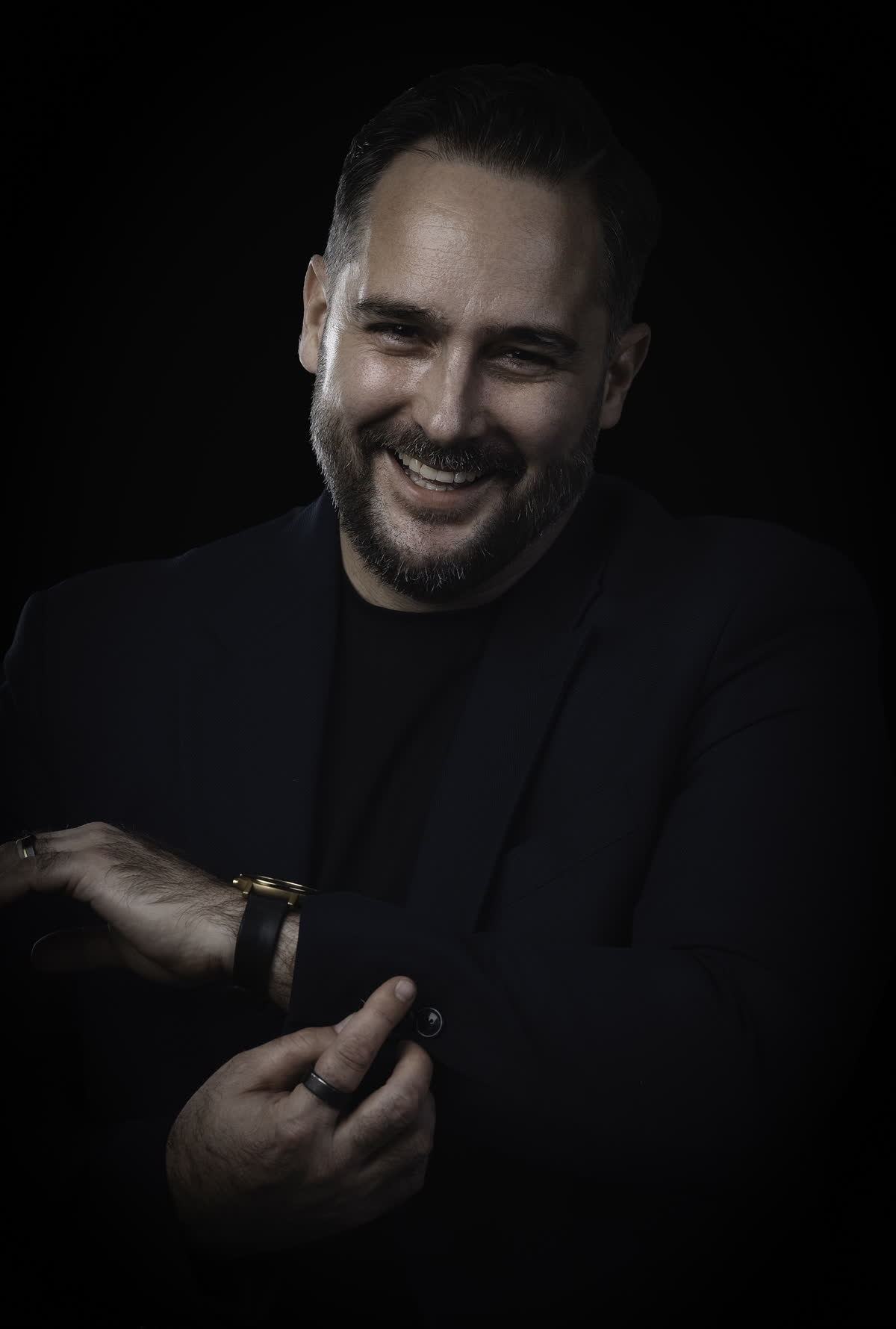
I am the one in the chair, hosting The Incredible Machines and naming the way we do this. I care about who sits across from me and what the hour is really for. My team at TIM Africa handles everything that turns that hour into a body of work, the recording, the edit, the clips, the publishing rhythm. You bring the conversation you actually wanted. We make sure nothing walks out of the room.
Questions people ask
How is a podcast different from a normal business meeting?
A meeting ends when everyone leaves the room and the value walks out with them. A recorded conversation keeps the value. You get the same honest hour, but the relationship and a library of content are built at the same time.
Will guests actually say yes to being recorded?
Most people say yes faster to an invitation onto your show than to a sales call. You are offering them attention and a platform, not asking for their time. The recording is the reason the conversation feels generous rather than transactional.
What if the conversation goes off the rails?
That is what editing is for. A loose, human hour gives you far more usable material than a stiff, scripted one. We keep the strongest moments and quietly drop the rest, so the finished episode is tighter than the room ever was.
Do I need a big audience for this to be worth it?
No. The first value is the relationship in the room, which pays off whether ten people or ten thousand ever hear it. The audience compounds later. The meeting you actually wanted happens on day one.
Book the conversation you actually wanted.
Strategy from me, delivery from my team at TIM Africa.